Natural Wellness Books for Learning and Inspiration
At TapRoots…
We see natural wellness books as quiet companions.
Not instruction manuals. Not strict plans.
They’re the kind of books you open when you’re curious.
Or tired.
Or just trying to understand everyday health a little better.
Some people read them while learning to eat more thoughtfully.
Others reach for them during stressful seasons, when sleep feels off, or when natural remedies come up in conversation and spark questions.
The books here come from trusted authors who share practical ideas shaped by real life.
Not perfect systems.
Just knowledge you can sit with, return to, and make sense of in your own way.
What Are Natural Wellness Books?
Natural wellness books explore health and daily living through a natural lens.
They usually focus on habits, food, plants, mindset, and lifestyle choices rather than complex science.
The writing tends to be approachable.
Often reflective.
Some books explain nutrition.
Some explore herbs or home practices.
Others are more about slowing down and paying attention to how your body responds to everyday life.
They’re meant to be read gently.
No rush.
Why People Explore Wellness Reading
Most people don’t start wellness reading with a big goal.
It’s usually something small.
Wanting better sleep.
Curiosity about natural living and alternative medicines.
Trying to understand what supports the body during seasonal changes.
Many people begin with one topic and expand later.
Others stick with a single book for months.
It often depends on interest, timing, and what feels relevant right now.
Benefits of Wellness Books
Learning new health habits
Wellness books often introduce small, manageable ideas.
Simple food awareness.
Gentle routines.
Nothing overwhelming.
Personal growth and mindset
Some books focus less on the body and more on how we respond to stress, change, and daily pressure.
They give perspective.
Sometimes that’s enough.
Nutrition and natural living knowledge
Nutrition and wellness guides can help explain everyday choices in a calmer way.
Not rules.
Just understanding.
You might read about ingredients, herbs, or even everyday items like a natural mosquito repellent spray, and why some people prefer simpler options.
Self-care and lifestyle awareness
Reading can shift how you view rest, movement, and personal space.
Subtle changes tend to stick.
Some books stay practical.
Some stay philosophical.
Both have a place.
Supporting Personal Wellness Through Knowledge
Knowledge supports awareness.
Awareness supports better choices.
Natural wellness books don’t replace professional care.
They help people understand options, language, and context.
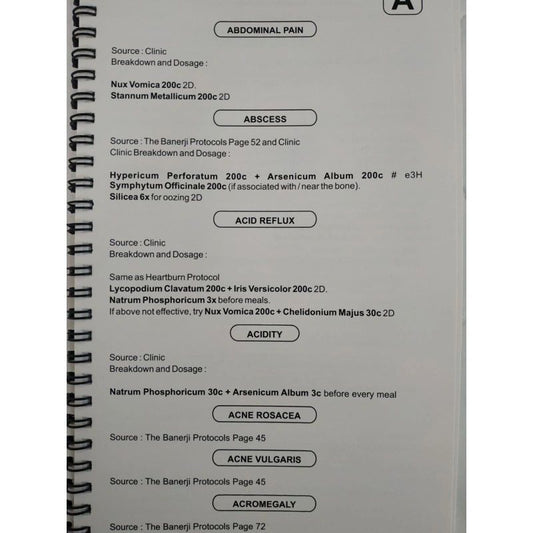
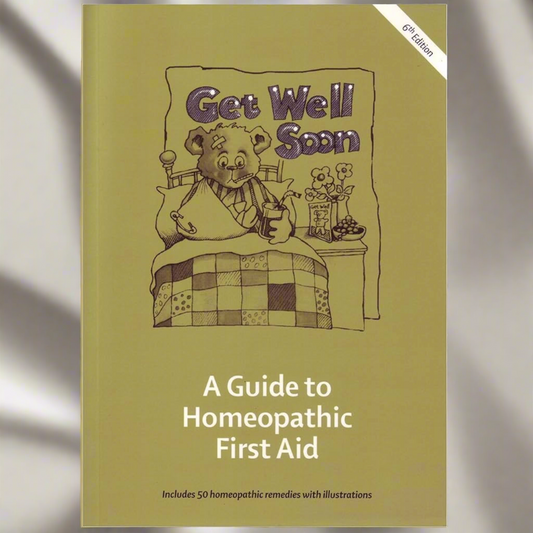
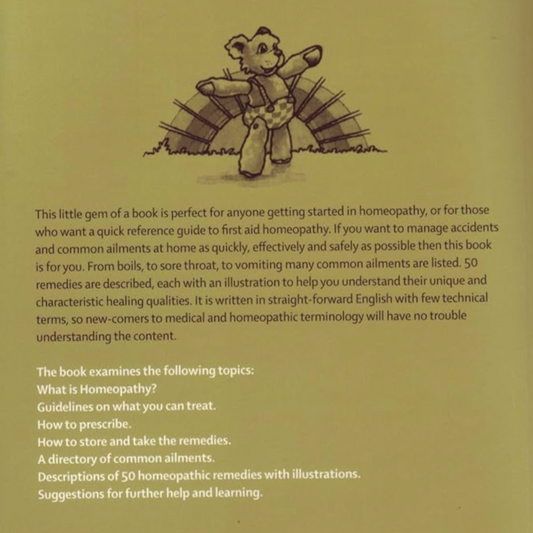
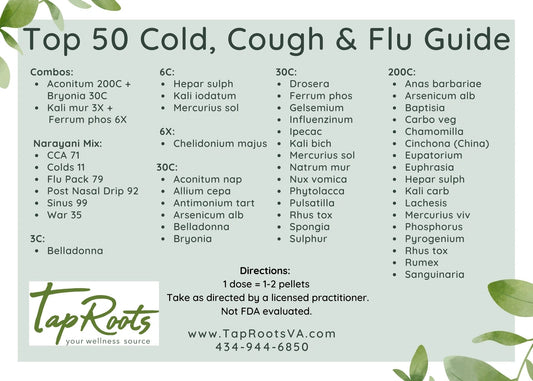
For example, some readers explore books that mention topics like Homeopathic cold remedies or homeopathic flu medicines simply to understand how people think about seasonal wellness support.
Learning creates confidence.
Quietly.
How to Use Wellness Books in Daily Life
Daily reading routines
Some people read a few pages with their morning coffee.
Others keep books by the bed.
There’s no correct schedule.
Reference guides
Certain books are used more as references than full reads.
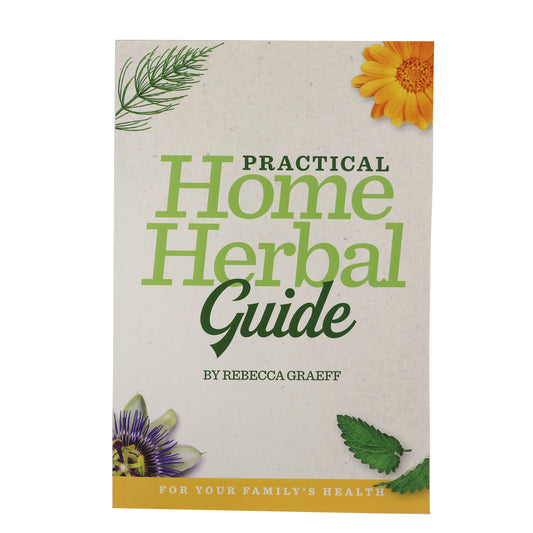
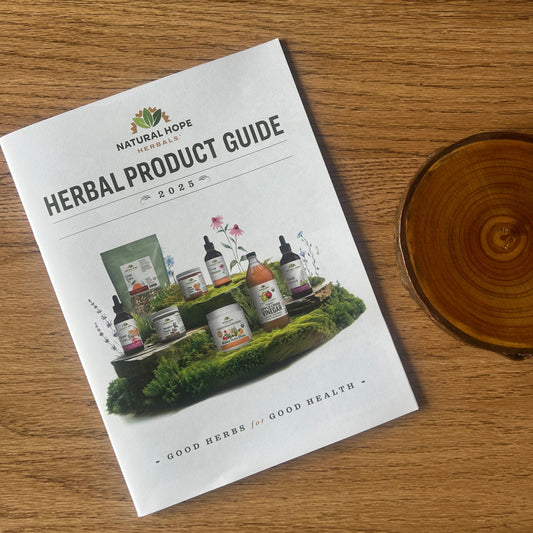
Herbal guides often fall into this category.
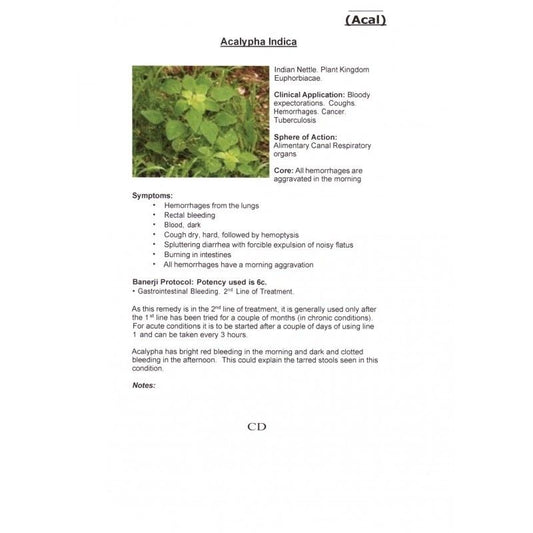
You might look something up once in a while, such as how writers discuss homeopathic remedies for dog allergies in a broader wellness context.
Journaling and reflection
Many readers keep notes while reading.
Questions. Thoughts. Things to revisit.
Learning at your own pace
Some books take weeks.
Some sit on a shelf until the timing feels right.
That’s normal.
Choosing the Right Wellness Book
Choosing a wellness book usually starts with curiosity.
Are you interested in food?
Plants?
Lifestyle habits?
Emotional balance?
Experience level matters, too.
Some books are beginner-friendly.
Others go deeper.
Reading style plays a role.
Short chapters. Long explanations. Visual guides.
You don’t need the “best” book.
Just one that feels approachable.
FAQs
1. Are wellness books helpful for beginners?
Yes. Many are written for everyday readers.
2. How do I choose the right book?
Start with a topic that already interests you.
3. Can I learn about natural remedies from books?
Books can offer general education and background.
4. Do I need medical knowledge to understand them?
No. Most avoid technical language.
5. How often should I read wellness books?
As often as it feels comfortable.
6. Are recipe-based wellness books useful?
Many people find them practical and easy to apply.
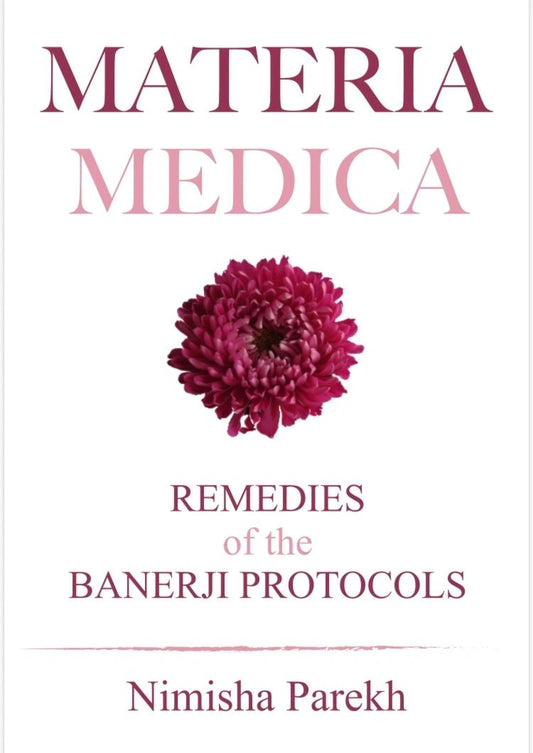
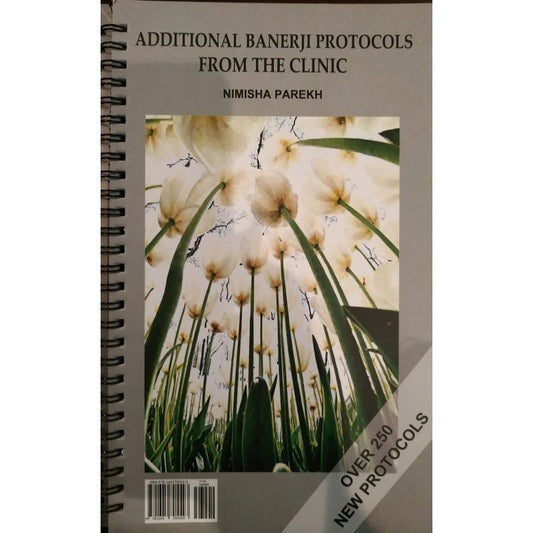
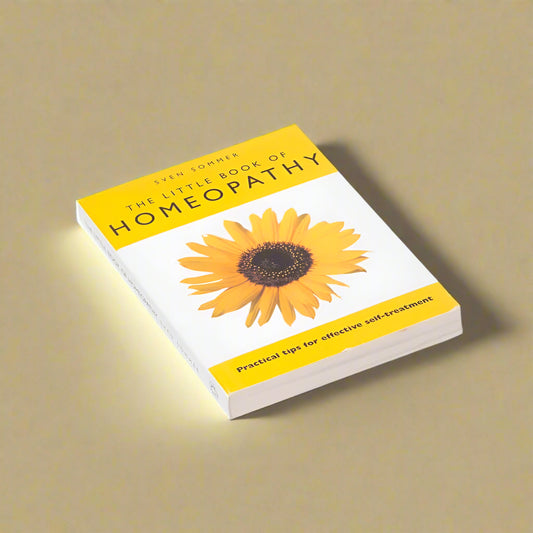
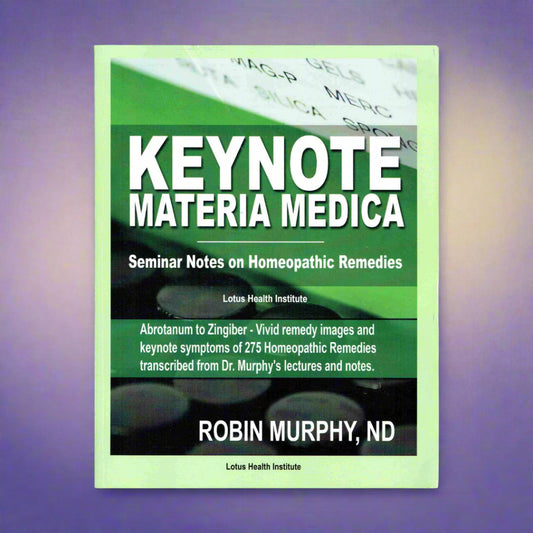
7. Which foundational topic should you begin with when reading a homeopathy book?
You should begin with the basic principles of homeopathy, including the Law of Similars, individualization, and remedy preparation, as these form the foundation of all homeopathic practice.
 Sold out