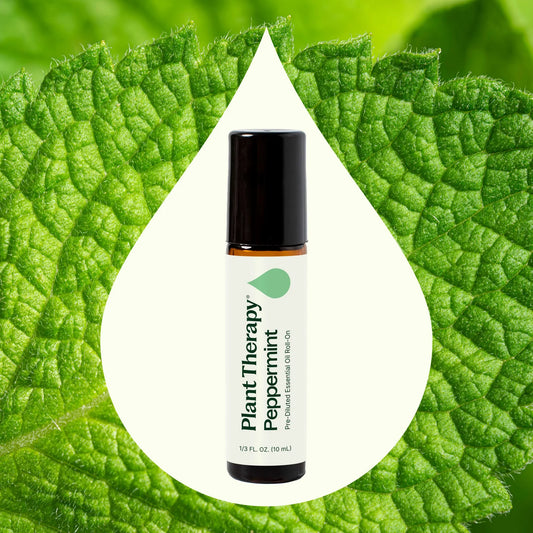
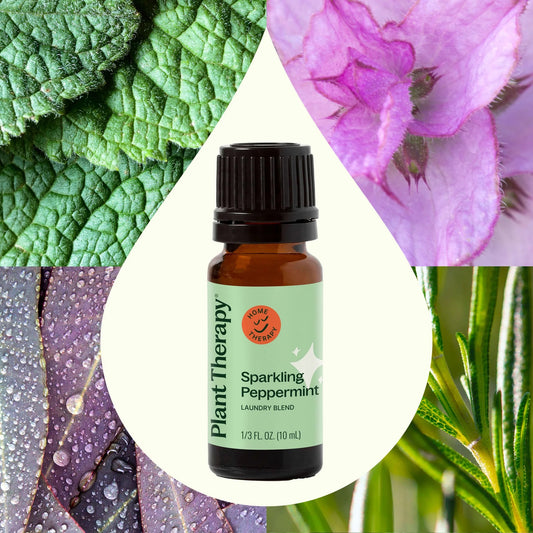
Natural Essential Oils for Everyday Use
At TapRoots, we see essential oils as more than fragrances. They’re a simple, plant-based way to support everyday routines - the quiet moments, the resets, the small rituals that help you feel grounded. Whether you’re winding down at night, refreshing your home, or adding intention to personal care, essential oils make it easier to bring nature into daily life.
Our collection features carefully selected, USDA-certified organic essential oils sourced from plants grown without synthetic fertilizers or harmful pesticides. That choice matters — not just for quality, but for respecting the land and ecosystems these botanicals come from.
From the calming aroma of lavender to bright, uplifting citrus oils, each one carries its own character. Some feel soothing. Some feel energized. Others simply help shift the mood of a space. At TapRoots, every product reflects our commitment to clean ingredients, intentional living, and holistic wellness. For many people, essential oils sit comfortably alongside herbal teas, gentle supplements, or even homeopathic remedies as part of a mindful lifestyle.
What Are Essential Oils?
Essential oils come directly from plants — flowers, leaves, bark, or roots, depending on the plant. The oil captures the scent and certain natural compounds that give the plant its distinctive character.
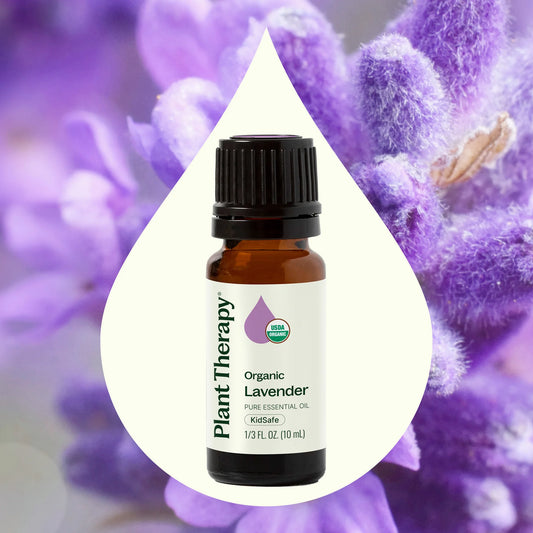
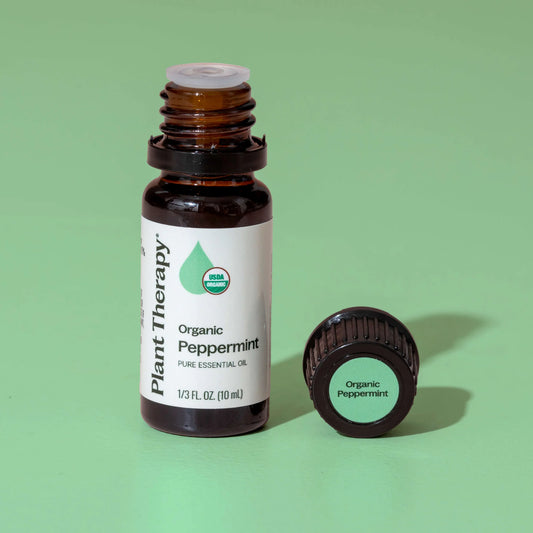
Lavender oil smells like fresh lavender blooms. Peppermint feels crisp and sharp. Citrus oils smell bright and almost juicy. Because these oils are highly concentrated, they’re much stronger than dried herbs or plant waters, which is why dilution is usually recommended for skin use.
Most people start small. One or two bottles are often enough — lavender and peppermint are common first choices.
How Do Essential Oils Work?
Mostly through scent.
When you inhale an aroma, your brain responds quickly. Smell is deeply connected to memory and mood, which explains why certain scents feel calming, energizing, or comforting almost instantly.
When used topically (and properly diluted with a carrier oil like jojoba or coconut), the oil rests on the skin while the aroma continues to reach your senses. It’s less about complex science and more about gentle sensory support woven into daily habits.
Benefits of Essential Oils
Different oils feel different — that’s the simplest way to explain it.
Relaxation & Mood
Lavender, chamomile, and sandalwood are often used in the evening. Their scents feel slower and softer, making them popular choices before bed or during quiet time.
Focus & Clarity
Peppermint, rosemary, and eucalyptus tend to feel more alert. Many people diffuse them while working, studying, or resetting their energy during the day.
Sleep Support
Some prefer a diffuser at night, others place a drop on a pillow corner. Preferences vary — lavender, cedarwood, or gentle blends are common favorites.
Skin Care
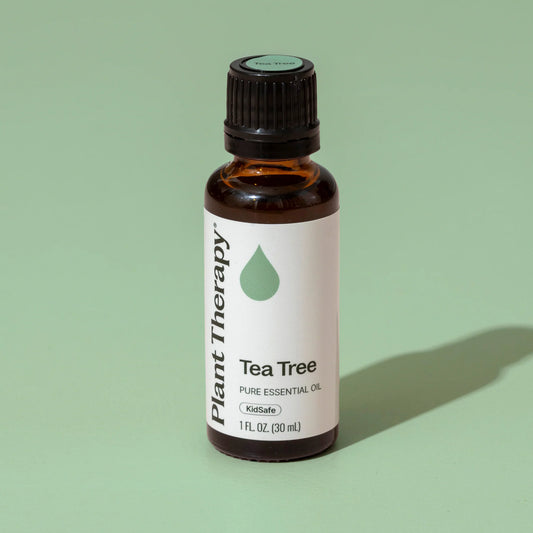
Tea tree and frankincense sometimes appear in skincare routines when diluted into carrier oils or creams. Patch testing is always recommended.
Everyday Wellness & Essential Oils
Essential oils are often used as supportive tools — not treatments. They fit into routines the same way warm baths, herbal infusions, or trusted products like Mary Ruth's oil of oregano or Green Pasture’s fermented cod liver oil might. The focus stays on consistency, comfort, and intention rather than intensity.
A few drops used regularly can be enough to make a noticeable difference in how a space or moment feels.
How to Use Essential Oils
There’s no single “right” way. Most people experiment and settle into what works best for them.
Diffusers
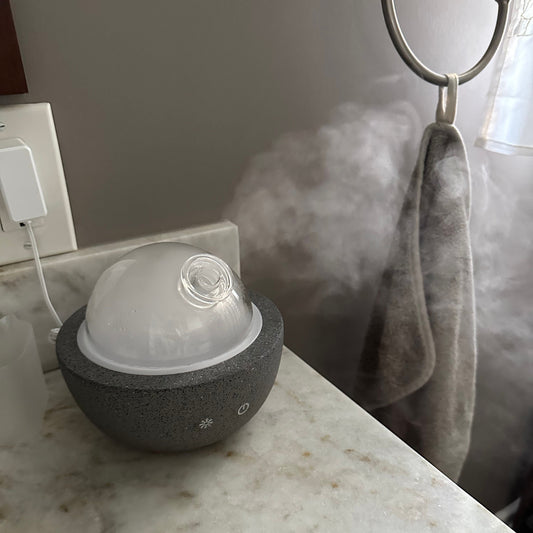
One of the easiest ways to start: add water and a few drops of oil, and let the scent fill the room.
Topical Use
Always dilute essential oils with a carrier oil before applying to skin. A common ratio is a few drops per teaspoon of carrier oil. Popular areas include wrists, neck, temples, and shoulders.
Baths
Mix a few drops with bath salts or a carrier oil before adding to water. Never add pure essential oil directly to a bath.
Inhalation
Sometimes it’s as simple as opening the bottle and inhaling gently. Quick, easy, and convenient for travel or busy days.
FAQs
1. Can I apply essential oils directly to my skin?
It’s best to dilute them first. Essential oils are concentrated and can irritate if used alone.
2. How many drops should I use in a diffuser?
Usually, 3–6 drops are enough for a standard room.
3. Which essential oil is best for beginners?
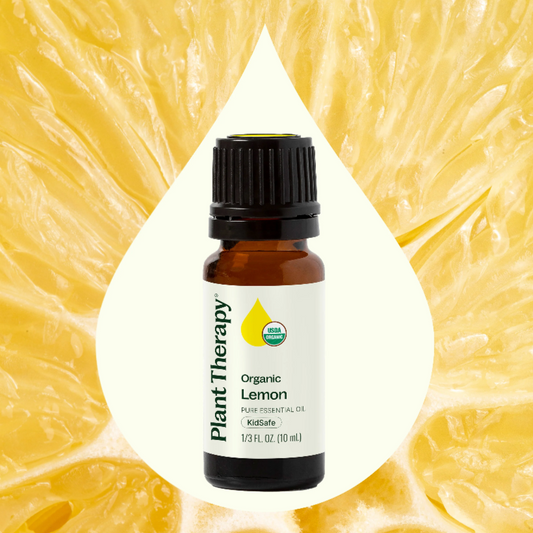
Lavender is often the easiest place to start. Peppermint and lemon are also popular.
4. Are essential oils safe for daily use?
Many people use them daily in small amounts. Follow dilution guidelines and listen to your body.
5. How should essential oils be stored?
Keep bottles tightly closed, away from heat and direct sunlight. A cool cabinet works well.